HLO WELLNESS IS CURRENTLY IN A NEW CHAPTER
Services are Temporarily on hold while I settle into my new home in Kentucky and focus on my own Wellness journey.
After several years of offering wellness services in New York, I'm taking some intentional time to focus on my health, reassess my offerings, and thoughtfully shape the next chapter of HLO WELLNESS. I'm not currently accepting new clients or scheduling appointments, but these services remain part of the HLO WELLNESS vision for the future.
In the meantime, follow along with my personal wellness Journey as I work toward becoming the healthiest and strongest version of myself by 50.
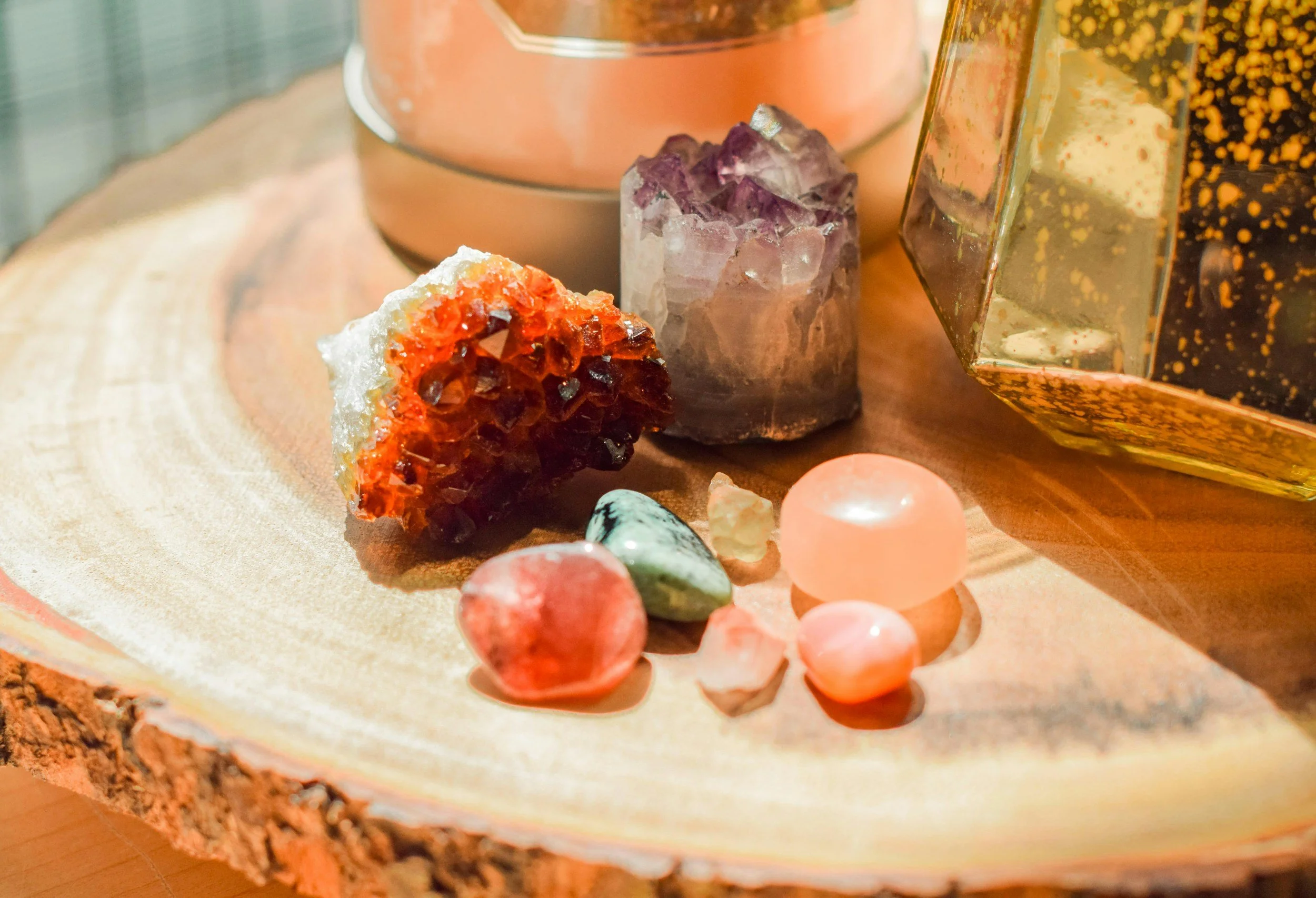
Reiki
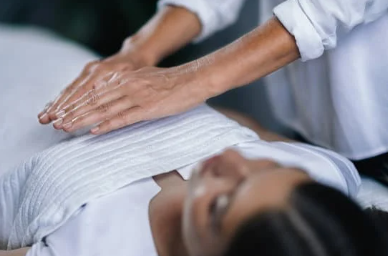
Reiki is a Japanese energy-healing practice where a trained practitioner channels life-force energy through light touch or hands held above the body to promote relaxation, stress relief, and balance. Sessions (in person, 60 minutes) are done fully clothed, seated or lying down. Reiki aims to clear energy blockages, stimulate self-healing, and foster emotional calm; clients often report less anxiety, better sleep, reduced pain, and increased clarity.
FAQ
-
Reiki is typically delivered through gentle hand placements and is grounded in the concept that an unseen life‑force energy flows through each person. When this energy is low, a person may be more prone to illness and stress; when it is balanced and strong, they are better able to maintain health and emotional resilience.
-
Reiki is a gentle, noninvasive energy-healing practice that can support well-being across all life forms! This includes adults (including pregnant women), babies, pets, and plants.
Adults: Reiki sessions can help alleviate anxiety, improve sleep, and complement conventional medical care
Babies: practitioners use soft, respectful touch or hands-off techniques to soothe fussiness and support calm development
Pets: Reiki can ease fear, pain, and behavioral stress by working with their innate energy in a quiet, unthreatening way
Plants: subtle energetic interactions are believed to enhance vitality and resilience.
Reiki is intended as a complementary approach, adapted to the needs and receptivity of each recipient, and practitioners emphasize consent, safety, and coordination with appropriate veterinary or medical care when needed.
-
Most people experience relaxation and feel calm and grounded after receiving a Reiki treatment. However, there are occasions when a person may experience a slight headache or weakness, due to stored toxins in the bloodstream being released during vibrational healing. This is considered a process of healing. Increasing water intake is recommended a the day of the Reiki session.
-
Reiki is complementary, not a substitute for conventional medical care; it can be used alongside treatments to promote relaxation and well-being, but any changes to prescribed treatment plans should be made only with a clinician’s guidance.
If in doubt, ask your primary care provider or treating specialist whether Reiki is appropriate for your specific health status and coordinate with your healthcare team to ensure safe, integrated care.
-
Experiences of Reiki vary by person and session, but common sensations people report include:
Warmth or gentle heat: Many feel a soft rising warmth where the practitioner’s hands are placed or in other body areas, as if a mild heat source is present.
Tingling or pulsing: A light buzzing, pins-and-needles, or subtle pulsing sensation can occur in hands, limbs, or around the head.
Deep relaxation: A pervasive sense of calm, heavy limbs, relaxed breathing, and the body sinking into the table or chair are frequent outcomes.
Lightness or floating: Some describe feeling airy, buoyant, or as if their body is lighter than usual.
Energy movement: People often notice waves, currents, or shifts of energy—sensations that travel through the torso, limbs, or along the spine.
Emotional release: Unexpected emotions (tears, laughter, relief) may surface as blocked feelings shift or resolve.
Visual or sensory imagery: Closed-eye visuals, colors, flashes of light, or vivid mental images can appear for some recipients.
Physical shifts: Muscle looseness, reduced tension, or temporary stiffness as the body rebalances.
Temperature contrasts: Cool breezes or cold spots contrasting with warmth in other areas; sudden localized chilliness is not uncommon.
Nothing at all: It’s normal to feel little or nothing during a session and still experience benefits afterward.
Timing and intensity differ: sensations can be subtle or pronounced, localized or whole-body, immediate or appearing hours to days later.
-
There is a growing body of research on Reiki, examining its effects on stress reduction, pain management, sleep quality, and overall well-being. For those interested in credible studies, summaries, and continuing updates, explore the Center for Reiki Research to learn more!
-
Reiki is not a religion, but rather a spiritual practice. Reiki practitioners do not have to change their beliefs. They are encouraged to make their own decisions regarding religious beliefs.